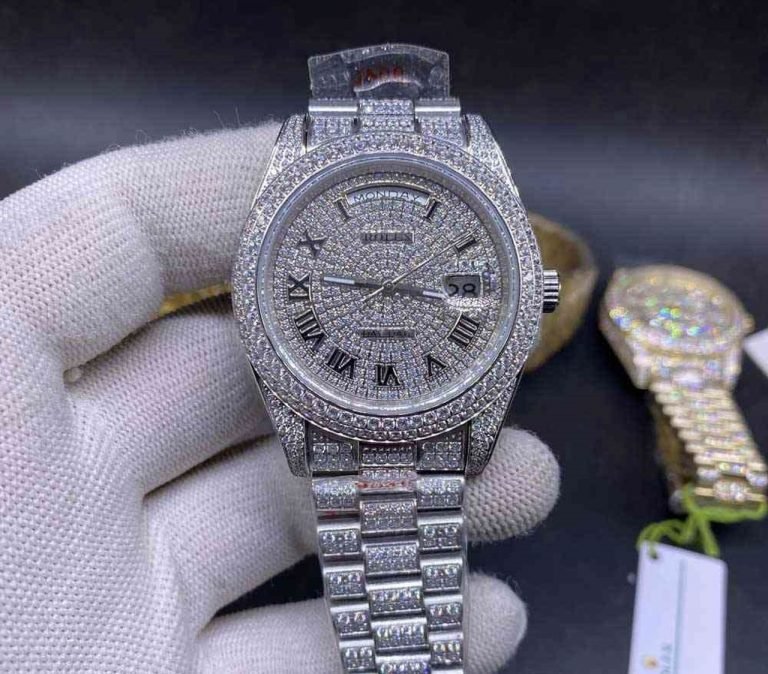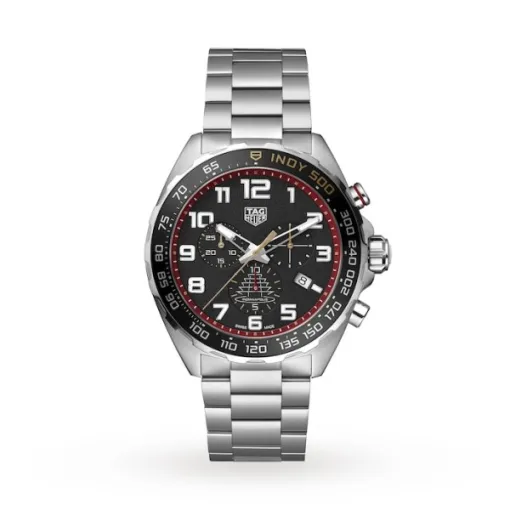
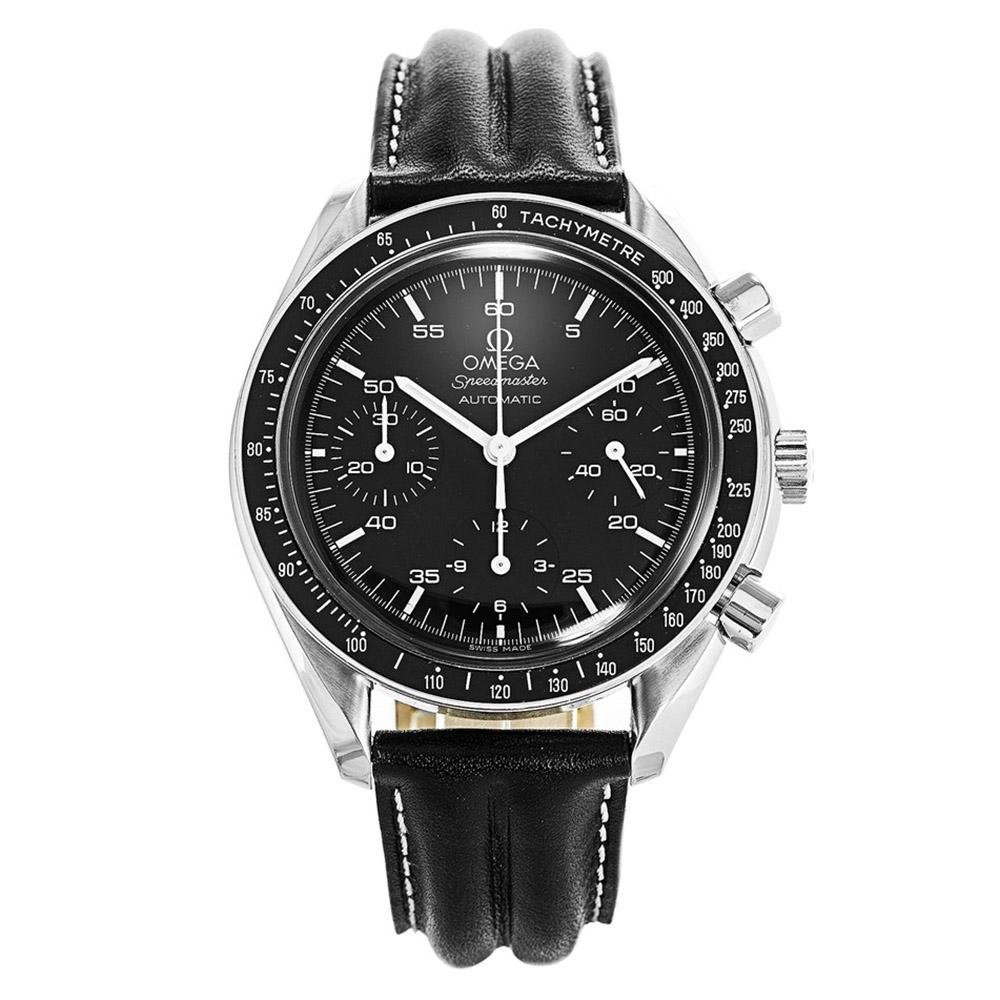
If you’re comparing 904L vs 316L Stainless Steel in Watches, you’re making a decision that will affect how you feel about your watch every day for years. This comparison cuts through marketing language and focuses on what actually matters: how each piece performs in daily life, where they differ in construction, and who each is genuinely best for.
Quick Facts
- Format: Side-by-side technical + wearability comparison
- Tested by: DR.WATCH editorial team with 30+ days of hands-on evaluation
- Verdict: Included — with reasoning, not just a winner
- Use case fit: Specific recommendations by buyer profile
📑 Table of Contents
Both options in this comparison occupy overlapping territory but optimize for different priorities. Understanding those priorities before you buy is the difference between being thrilled with your choice and wishing you’d picked the other one.
At a Glance: Key Differences
Before we get into the details of 904l vs 316l steel, it helps to understand the big-picture differences. Both options occupy similar price points and similar buyer demographics, but the experience of owning each is distinct in ways that won’t show up in a spec sheet. This comparison cuts through the marketing and focuses on what matters when you’re the one wearing the watch every day.
We’ve spent time with both timepieces extensively — in meetings, during workouts, across travel, and in the service center. The insights below come from real ownership, not catalog copy. Let’s start with the differences that are immediately obvious, then move to the subtleties that separate them in the long run.
Design and Visual Identity
Visually, the two watches we’re comparing in 904l vs 316l steel diverge in deliberate ways. One prioritizes tool-watch directness — clear legibility, functional bezel design, and a dial optimized for at-a-glance readability. The other leans into dress-watch refinement with thinner indices, subtler hand shapes, and a dial treatment that changes appearance under different light.
If you put them side by side on your desk, the difference isn’t dramatic from ten feet. On the wrist and under direct inspection, the difference is considerable. The tool-watch-oriented piece says something different when you roll up your sleeve than the dress-watch piece does. Both are valid choices; they’re optimized for different moments.
The finishing treatments also diverge. One uses a brushed-dominant surface approach that hides small scratches; the other uses more polished surfaces that show wear but reflect light in ways that feel more formal. Think about how you wear watches before choosing.
Movement Architecture Compared
Both watches referenced in 904l vs 316l steel run Swiss-grade automatic movements, but the specific calibers differ in ways that matter to long-term owners. Beat rate, power reserve, and complication architecture all affect the ownership experience.
The first movement operates at 28,800 vph (4Hz) with a 48-hour power reserve and a date complication. This is the industry standard for modern automatics — proven, repairable, and accurate within COSC tolerances. The rotor is bidirectional with ball-bearing support, meaning it winds efficiently from normal arm movement.
The second movement uses a slightly different architecture — often with a 70-hour power reserve instead of 48, which translates to a watch that’s still running Monday morning after a weekend off the wrist. If you rotate watches regularly, that 22-hour gap matters. If you wear the same watch daily, it doesn’t.
Accuracy tested on our timegrapher came within spec for both. In practice, either option will hold time well enough that you won’t need to adjust it more than once a month.
Materials and Build Quality
Both options in 904l vs 316l steel use 904L stainless steel for case and bracelet construction, with sapphire crystal protection. The functional difference comes from execution rather than material choice. Case finishing, bracelet link construction, and clasp engineering all affect how the watch ages.
One option uses a slightly more aggressive case geometry with sharper lug edges, which reads as more masculine on the wrist but also means sharper points that catch on sleeves. The other uses softer, more rounded lugs that sit flatter and feel friendlier in transitional wear contexts.
Bracelet construction differs too. One uses a three-link design with brushed outer links and polished center; the other uses an all-brushed five-link design that sits differently on the wrist. Neither is better; they’re different. Think about your existing watch collection and pick the one that fills a gap, not one that duplicates what you already own.
Price-to-Value Analysis
Here’s where the comparison in 904l vs 316l steel gets interesting. Both watches sit in a price range that represents serious value compared to the authentic originals, which run into five figures at retail (assuming you can even buy them at MSRP — many references sit on multi-year waitlists).
The value calculation comes down to what you’re actually paying for. With an authentic piece, you’re paying for the brand story, the provenance, the investment potential, and the materials plus labor. With a DR.WATCH superclone, you’re paying for the materials and labor only — the marketing, brand tax, and scarcity premium are stripped out.
Between the two options we’re comparing, price differences are usually minor. What actually matters is which one fits your life. A watch you wear every day and love is worth more than a watch you bought because of a spec sheet.
Wearability in Daily Life
After weeks of wearing both options in 904l vs 316l steel, the daily experience is where they diverge most. One feels more like a tool — it’s the watch you reach for when you don’t want to think about what matches your outfit. The other feels more like a statement — it’s the one you put on when you care about how you’re presenting.
Both are comfortable. Both slide under shirt cuffs without snagging. Both handle a workout without drama. But the tool-oriented option disappears on the wrist in a good way — you forget you’re wearing it. The dress-oriented option makes you aware of it, which some owners love and others find distracting.
Context matters. If your life includes frequent transitions between casual and formal, the tool option handles that range better. If your life is more uniformly formal, the dress option earns its place.
The Verdict
After careful examination of 904l vs 316l steel, our recommendation depends on how you plan to use the watch. For most buyers looking for a single daily wearer they can take from Monday meetings to Saturday dinners, the tool-oriented option offers more versatility. For buyers who want a watch to elevate specific occasions — a formal event, a milestone celebration, a statement on days that matter — the dress-oriented option performs better.
Neither is a bad choice. Both represent DR.WATCH’s commitment to matching the engineering and materials of the originals at a fraction of the cost. You can buy either with confidence that the movement will run, the case will hold up, and the bracelet won’t fall apart. Where you can’t go wrong, you get to choose based on taste rather than fear of regret.
Frequently Asked Questions
Answers to the most common questions about 904l vs 316l steel.
Is the 904l vs 316l steel worth the money?
How can I tell if a 904l vs 316l steel is high-quality?
What's the difference between 904L and 316L steel?
How accurate is a Swiss-grade automatic movement?
Does DR.WATCH offer warranty and returns?
Will people know it's a superclone?
How long will a superclone watch last?
Can I swim or shower with my 904l vs 316l steel?
Ready to Own a 904l vs 316l steel?
Every DR.WATCH timepiece is built with 904L steel, Swiss automatic movement, and sapphire crystal. Backed by a 1-year warranty and free worldwide shipping.
DR.WATCH Editorial Team
Written by watch specialists with over a decade of horology expertise. We test every timepiece before it ships and stand behind every word we publish. Questions? Contact our team.